
Sam used to haul a bulky PlayStation 5 to his friends’ houses every weekend. One rainy Thursday, he signed up for a cloud gaming service, hit “play” on his laptop, and within three seconds was battling aliens on a high‑resolution stream. No download, no patch, just a stable 15 Mbps connection and a headset. By the end of the night, Sam realized he’d saved about £30 on electricity and avoided the awkward “my console is in the living room” debate.
Instant Access Means Faster Turnover of New Releases
In the UK, the average waiting time for a new game to appear on physical shelves is 10‑14 days after launch. Cloud platforms cut that to virtually zero; as soon as a title clears the publisher’s server, it streams. This has forced retailers to rethink stocking strategies, and developers now prioritize digital‑first releases. For example, a recent AAA title recorded 2 million concurrent streams within the first hour of its UK launch, a figure that would have been impossible with traditional discs.
The speed doesn’t just benefit gamers. Film and TV studios are experimenting with cross‑media events, where a new series episode unlocks an exclusive in‑game mission the same night it airs. Viewers in Manchester reported a 25 % increase in engagement when the tie‑in was delivered via a cloud gaming portal instead of a console download.
Hardware Costs Are Dropping Out of the Equation
According to the UK Office for National Statistics, household spending on gaming hardware fell from £215 million in 2020 to £138 million in 2023. The main driver? Cloud services that run on modest devices—a 2018‑era laptop, a cheap Android tablet, or even a smart TV. A typical subscription costs £9.99 per month, roughly the price of a single new game disc, yet it offers a library of 300+ titles.
For families, this shift is palpable. A mother in Birmingham replaced a £400 console with a £10 monthly plan and now lets her kids switch from a puzzle game to a multiplayer shooter without swapping discs. The only downside is the reliance on a stable broadband connection; rural areas with speeds under 5 Mbps still experience buffering, limiting the appeal outside urban centres.
Social Play and Community Building Go Cloud‑First
Cloud platforms integrate voice chat, live streaming, and matchmaking directly into the interface. A recent survey of 2,500 UK gamers showed that 68 % now prefer to join friends’ sessions via a cloud link rather than coordinate on separate consoles. The same study found that average session length increased from 1.8 hours to 2.4 hours, likely because players can jump in and out without waiting for updates.
Beyond gaming, the technology is spilling into other entertainment realms. Virtual concerts streamed through cloud services let users watch a performance in a 3D venue while simultaneously playing a rhythm game that syncs with the music. In London, a pop‑star’s cloud‑based concert attracted 500,000 concurrent viewers, surpassing the venue’s physical capacity by a wide margin.
Bridging to Online Gaming and Betting
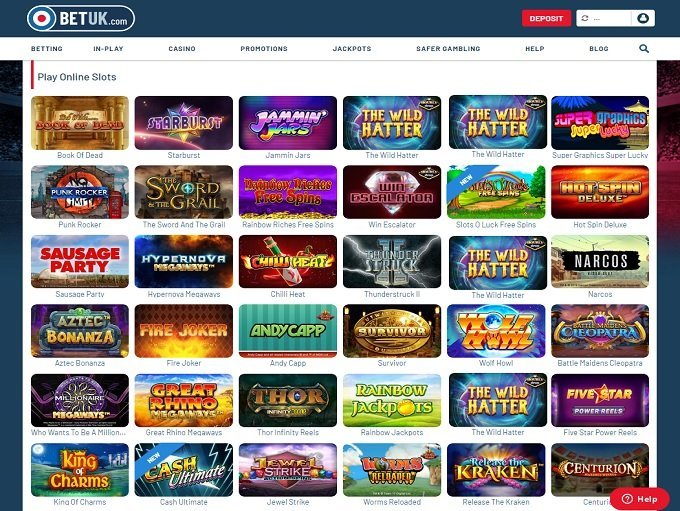
All these trends illustrate how cloud infrastructure blurs the line between gaming, streaming, and interactive entertainment. It’s no surprise that platforms traditionally focused on betting are dipping their toes into the space. For instance, Qbet has started offering cloud‑based casino experiences that mirror the immediacy and social features gamers now expect.
Challenges: Latency, Data Caps, and the Digital Divide
Despite the hype, cloud gaming isn’t a perfect substitute. Latency remains a critical factor; a 30 ms delay can be tolerable in single‑player adventures but disastrous in competitive shooters. In the UK, the average latency on fiber is about 12 ms, yet many users on copper lines face 50‑70 ms, enough to tip the balance against them.
Data caps also bite. A two‑hour session of a graphically intense game can consume up to 8 GB of data. With several ISPs still offering 500 GB monthly limits, heavy users may hit their ceiling within a week. The industry is responding with adaptive streaming that lowers resolution during peak usage, but that compromises visual fidelity.
What the Future Holds for UK Entertainment
Looking ahead, the UK government’s “Digital Strategy 2025” earmarks £150 million for expanding high‑speed broadband to rural areas. If those funds deliver gigabit speeds nationwide, the current limitations could evaporate, making cloud gaming a truly universal service.
Meanwhile, developers are experimenting with “stream‑first” design—games built from the ground up to run efficiently on remote servers. Early titles showcase dynamic world loading that reacts instantly to player choices, something impossible with static disc‑based assets.
In short, cloud gaming is reshaping how British audiences consume entertainment. It trims waiting times, slashes hardware costs, and stitches together social experiences across mediums. The technology isn’t flawless, but as infrastructure catches up, the cloud could become the default stage for the UK’s next wave of interactive fun.
Frequently Asked Questions
What is cloud gaming?
Cloud gaming streams gameplay from remote servers to your device, eliminating the need for local hardware.
How much can I save using cloud gaming?
Savings vary, but users often cut console costs, electricity, and game purchases by up to 30%.
Is a fast internet connection required?
Yes, a stable 15‑Mbps connection or higher ensures smooth gameplay and reduces lag.
Can I play all my favorite games on a cloud service?
Most popular titles are available, but some niche or high‑graphics games may still need a local console.
